Double glazing for your existing sash windows
Double glazing a sash window does not mean replacing it.
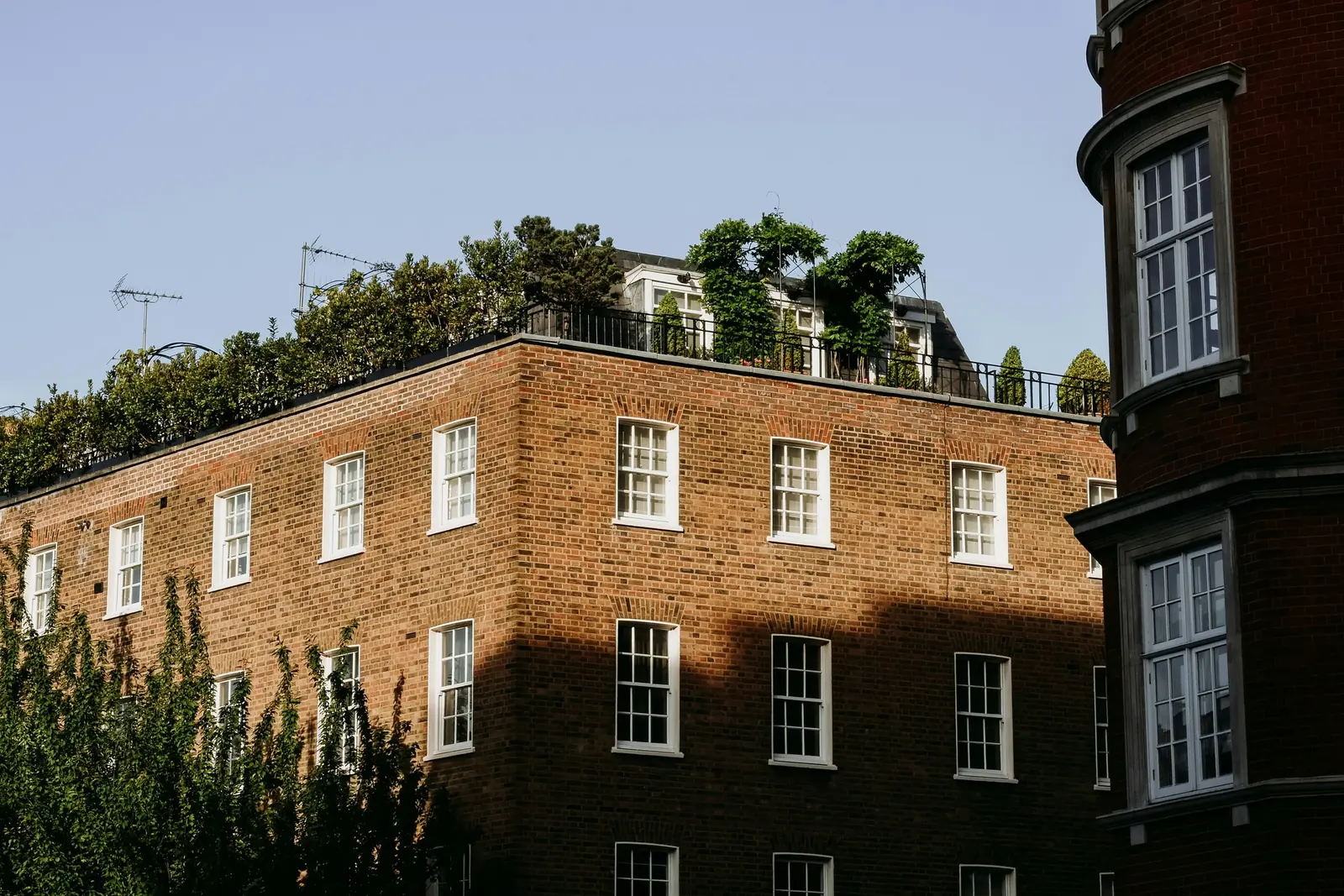
We fit a slim sealed unit, typically 10 to 14 mm thick, into your existing timber sashes in place of the single pane. The original frame, sashes, glazing bars and horns stay. From the street the window looks as it always has; from inside it is warmer and quieter. We fit it while the window is apart for restoration or draught-proofing.
London · Slimline double glazingWritten quotationsA studio of The Barnsbury Group, established 1980
How it works
- 01Survey: we check the sash is deep enough to take a unit and sound enough to carry the extra weight. Most Victorian and Edwardian sashes are; some fine Georgian sashes are not.
- 02Sashes out, old glass and putty removed, rebates deepened where needed.
- 03Slim units made to measure for each pane, including small panes between glazing bars.
- 04Units bedded and beaded or puttied to match the original finish.
- 05Weights increased to balance the heavier sashes, cords renewed.
- 06Draught-proofing fitted at the same time, because double glazing does not stop draughts or rattles around the sashes.
Slim units versus standard units
Standard double glazing is 24 to 28 mm thick and needs a modern sash to carry it. That means replacing the window, which changes the sightlines, and a change of appearance like that can need planning permission. Slim units fit the original sash. The trade-off is that a slim unit, with a narrower cavity, insulates slightly less than a standard unit; it is still a large improvement on single glass.
Do you need permission?
Slim units go into the existing sashes, so the window is kept and its appearance from the street is unchanged. Conservation area status on its own does not require an application; an Article 4 direction covering your address can, and a listed building needs listed building consent, which is decided case by case. We advise at the survey. Where an application needs drawings, we can prepare them. That is separate work and we quote for it.
There is no ban on double glazing
No rule in UK planning law bans double glazing in a conservation area. A council can refuse a particular application on appearance grounds, and many will refuse a standard sealed unit that changes the sightlines. That is a judgement about that window, not a blanket prohibition.
Cost and time
We quote per window after a survey. Units are made to measure, so allow a lead time, set out in the quotation.
Slimline double glazing or secondary glazing?
These are different things and people often mean the second when they ask for the first. Slimline double glazing replaces the single pane inside your existing sash with a slim sealed unit: the window itself is kept, nothing changes from the street, and the sash still slides as it did. Secondary glazing is a separate pane in its own frame, fitted to the inside of the reveal, with the original window left completely untouched behind it. It performs well on noise in particular, it is reversible, and because nothing is done to the historic window it is an option in listed buildings where consent for slim units is not given. The trade-offs are that you open two things instead of one, and the inner frame is visible from inside the room. Where a sash is too fine to take a slim unit, which is common in good Georgian work, secondary glazing is usually the answer. Acoustic glass, a single laminated pane in the existing sash, is the third option where noise is the problem and consent is tight.
Common questions
Can you double glaze my existing sash windows without replacing them?01
Yes, with slim sealed units fitted into the original sashes, provided the sashes are deep enough and sound.
Will it look different from outside?02
No. The frame, bars and sightlines are unchanged; the only difference is a slightly thicker pane.
Is slimline double glazing allowed in conservation areas?03
Conservation area status on its own does not stop it. Whether you need an application depends on whether an Article 4 direction covers your address, and listed buildings are decided case by case.
How long do slim units last?04
Manufacturers' warranties vary; we state the warranty for the units we fit in your quotation.
Can you do it on Georgian six-over-six windows?05
Sometimes. Fine Georgian sashes are often too thin to take a unit, which the survey will show.
Is it worth double glazing sash windows?06
It is worth doing where the sashes are sound and the room is cold or noisy, because slim units keep the original window and still cut heat loss and noise substantially. It is not worth doing on a window that needs replacing anyway, or on a fine Georgian sash too thin to take a unit. We tell you which you have at the survey.
Can you double glaze sash windows in a listed building?07
Sometimes. Listed building consent is decided case by case. Where consent is not given, secondary glazing or acoustic glass gives much of the benefit without altering the window. We advise at the survey. Where an application needs drawings, we can prepare them. That is separate work and we quote for it.
Is slimline double glazing the same as secondary glazing?08
No. Slimline double glazing puts a slim sealed unit inside your existing sash. Secondary glazing adds a separate inner pane in its own frame and leaves the original window untouched, which is why it is often the answer in listed buildings.
Book a survey
Send us photographs of your windows and we'll tell you what needs doing and what doesn't, with a written quotation. The digital survey is free.